
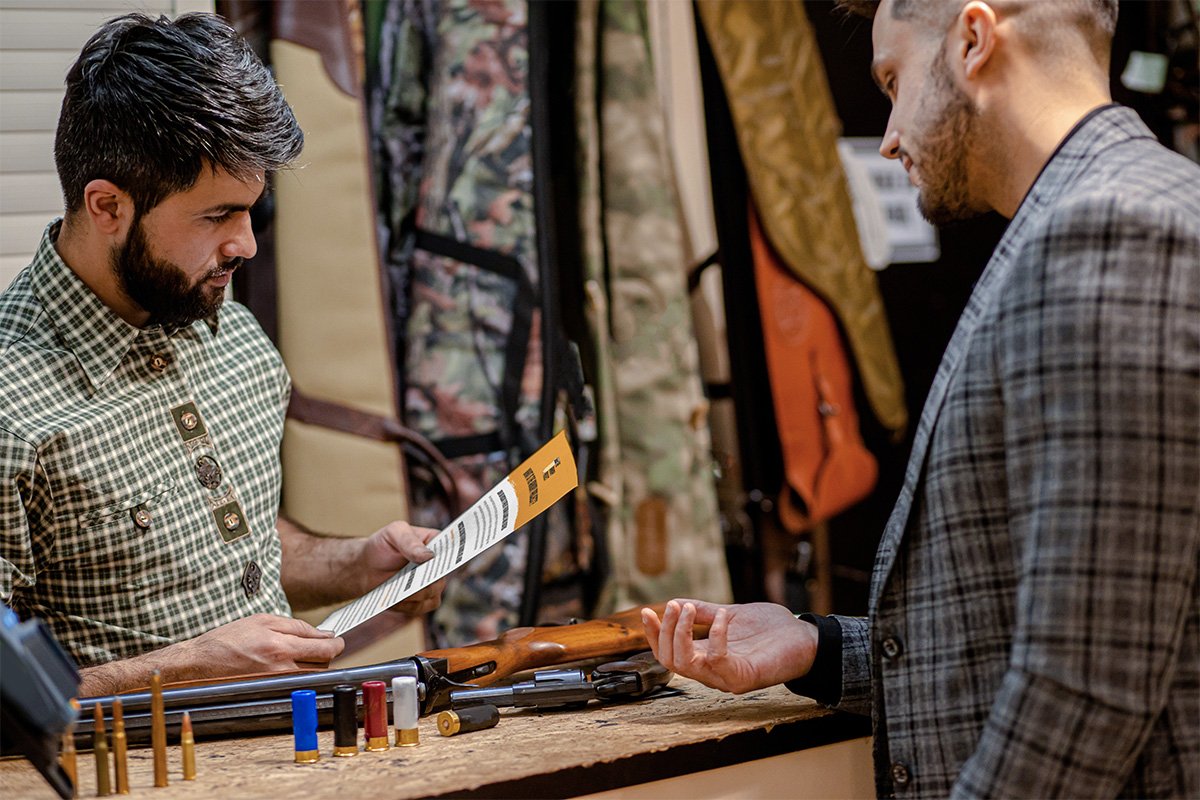
Resources for FFLs, Ranges, and Gun Shops
Bring a proven, supported temporary storage program to your shop with TAP by your side.
As an FFL, gun shop, or range, you are a trusted voice for your customers. The Armory Project gives you detailed, step-by-step support, training, and ready-to-use materials so you can offer practical, rights-respecting options in your shop and to your community.
Skip to content…
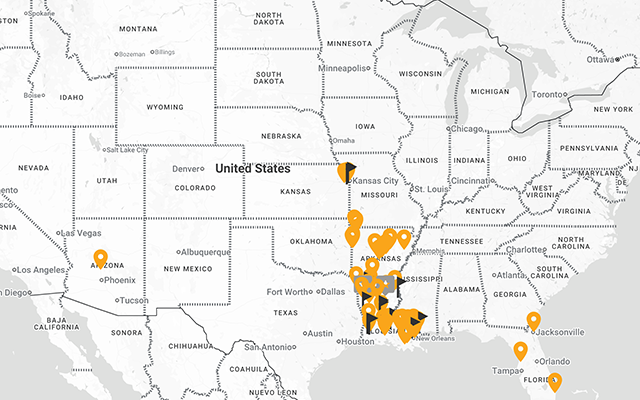
The Impact of The Armory Project with the Help of our Partner Network
Since 2021, TAP has helped expand access to voluntary, temporary storage options by equipping trained partners with practical tools and ongoing support.
TAP Impacts Between October 2021 and February 2026

50+
Partners and Supporters in Our Network

200+
Individuals Trained on Firearm Suicide Prevention

22,000+
Firearm Owners Received Secure Firearm Storage Messaging

95+
Individuals Helped (Firearms Stored)

900+
Firearms Stored
Impact is made possible through the leadership of firearm businesses, ranges, and community supporters who choose to show up for the people they serve.
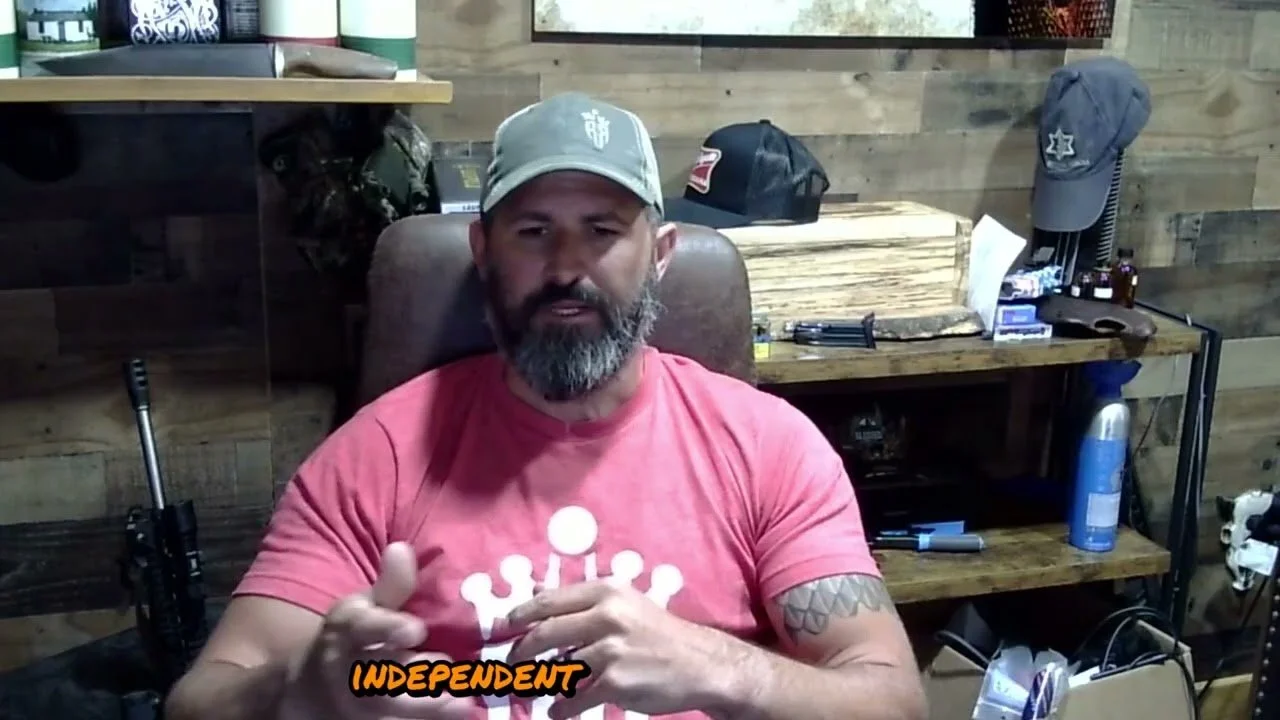
Hear it from a Partner
Caleb Morse, TAP co-founder and one of the first firearm retailers to offer temporary storage, shares why these conversations matter and how a shop can become part of a life-changing support system.
Resources for Partners
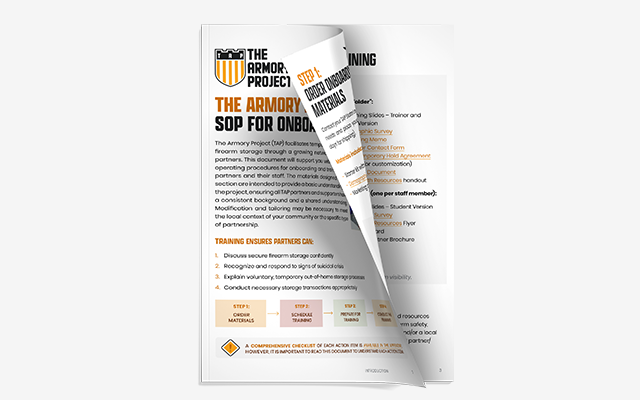
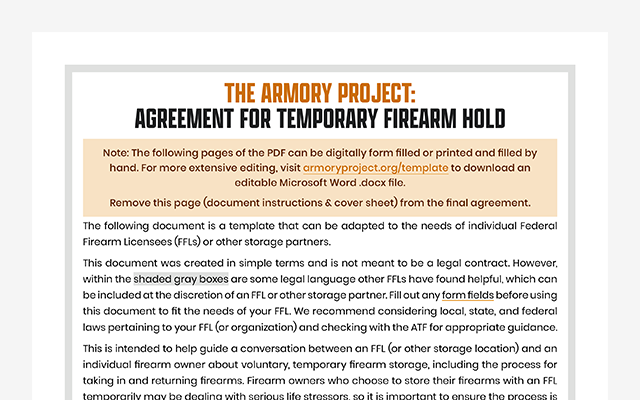
Everything you need to get started with TAP, in one place. Learn what TAP is, explore partner options, train your team, and download materials you can use immediately. We also offer direct support so you are not building this alone.

Customer and Community Resources
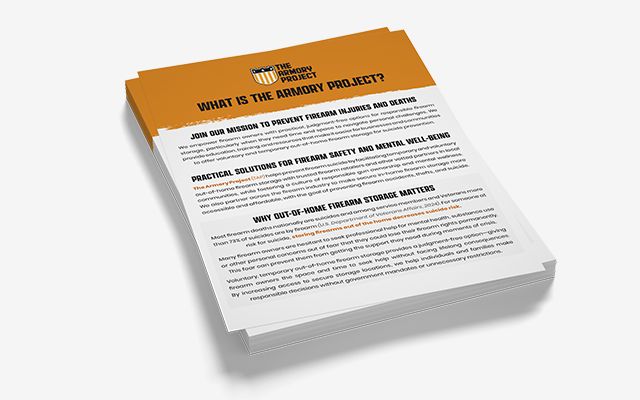
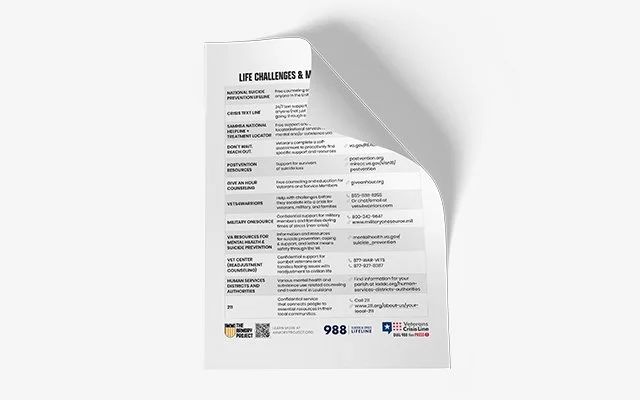
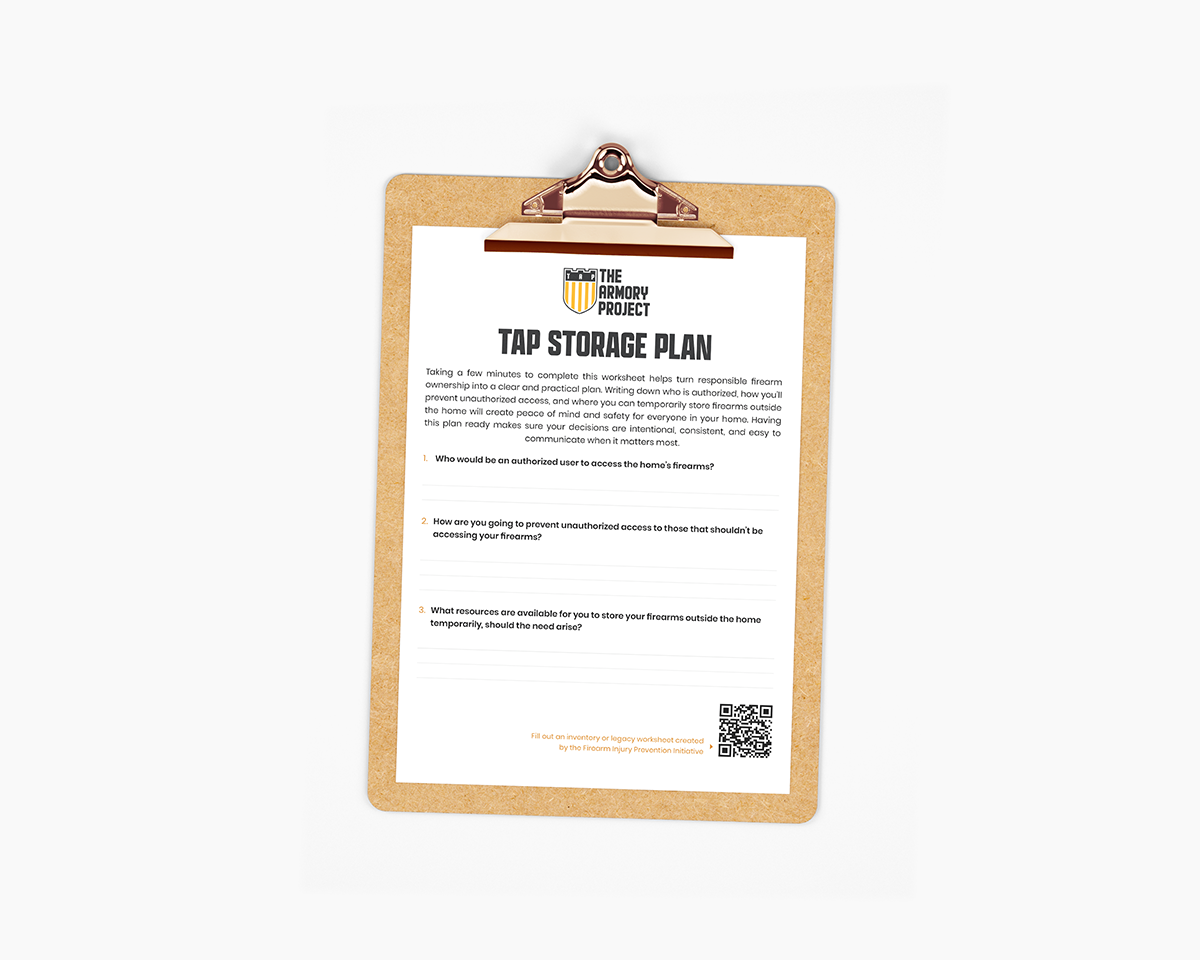
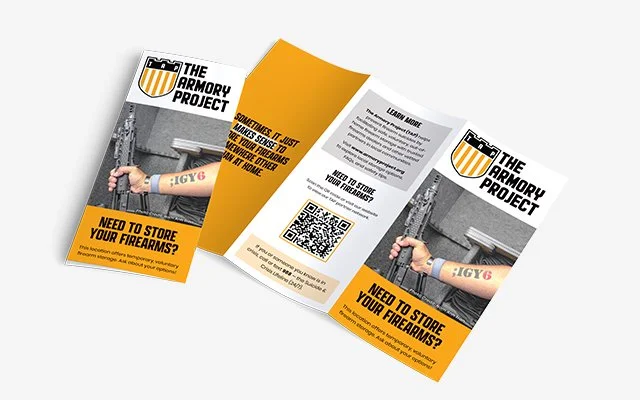
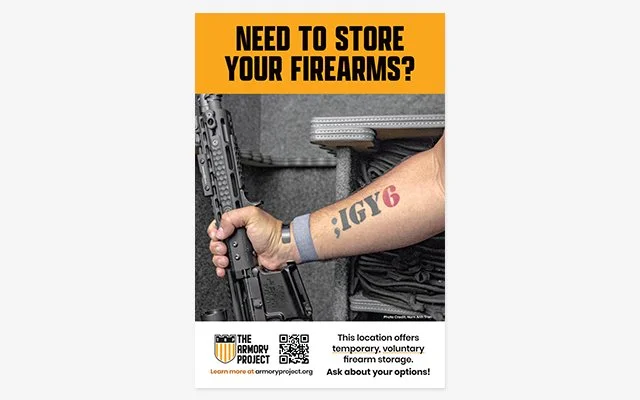
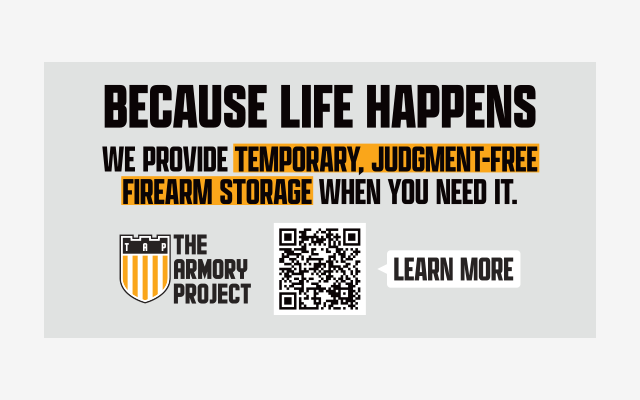
These print-ready materials make it easy to share safe storage and mental health resources in a respectful way. Use them at the counter, in classes, in waiting areas, or as take-home handouts.
Frequently Asked Questions
-
People choose temporary storage for the same reason they choose other safety steps: to reduce risk during a hard season. Creating time and distance from firearms can help protect someone in crisis, and it can also be useful during life transitions like divorce, job loss, kids visiting the home, or memory-related concerns in the household.
-
Storing a firearm with a TAP Partner can feel more private and straightforward for someone who does not want to involve family or friends. Additionally, some people who are having suicidal thoughts experience social isolation and may not have anyone they can turn to for temporary firearm storage. It can also be the simpler option in some states that have laws that make temporary transfer of firearms from one individual to another more challenging.
-
Organizations like the National Shooting Sports Foundation (NSSF) encourage temporary out-of-home storage as a safety option when you are concerned about yourself or a loved one. There are similar programs like TAP that exist in multiple states. We include a list of known efforts in our Toolkit, though new programs can launch at any time so the list is not exhaustive.
-
The Bureau of Alcohol, Tobacco, Firearms, and Explosives (ATF) published an “Open Letter” in July 2023 to FFLs regarding storing firearms for members of the public, available here. In general, the ATF describes a few common approaches, such as on-premises storage lockers controlled by the owner, a temporary hold where the firearm is logged and returned through your standard process, and service-based holds tied to gunsmithing or cleaning.
Because requirements can vary by situation and may change over time, always review the current ATF guidance and consult additional sources as needed.
-
No. The partners in TAP’s network promote voluntary, temporary out-of-home storage that a firearm owner chooses for themselves. Court-ordered storage under Extreme Risk Protection Orders is a legal process that requires firearm removal and restricts access, and it involves the courts and law enforcement. TAP is voluntary and does not involve court action.
-
No. TAP does not collect names or identifying information about people who store firearms through a TAP Partner.
To evaluate the program, TAP may ask partners for general, non-identifying feedback such as how often they have spoken about temporary out-of-home firearm storage and approximate counts related to storage, but not personal details.
-
There are several options in the event this happens:
Holding the firearm while an appeal is pursued;
Transferring it to an eligible third party if allowed and handled as required by local and State laws;
Or arranging a sale or consignment option for the owner.
This is a complex scenario, so it may be helpful for an FFL to have a transparent discussion with the firearm owner about this possibility prior to storing firearms. Our Storage Agreement Template provides suggested language for guiding such a conversation.
-
TAP’s storage agreement template includes space for both the owner’s contact information as well as a secondary contact so your team has a clear way to follow up in the event that a firearm is not reclaimed. If no one responds, the next steps are handled according to your business policies and any applicable ATF guidance.
For a more exhaustive list of Frequently Asked Questions, click here. If you have a question not listed, reach out. TAP can help you find an approach that fits your location.
Ready to bring TAP to your shop or range?
Get the tools, training, and support to implement a program that is practical, respectful, and built for the firearms community. TAP is here to help.
Important Reminder
Your role is to provide voluntary storage options, not to determine risk. If you or someone you know needs support immediately, please reach out to the Suicide and Crisis Lifeline by dialing 9-8-8.